The workshop starts at 9 am, but the room is only available from 10 am. Group work ends up in the hotel lobby because there is no second room. Mistakes like these rarely happen at the event itself – they happen during selection. If you are asking yourself how to find a seminar hotel that fits in terms of content, logistics and budget, you don't need a long directory. You need a clear brief and comparable quotes.
A seminar hotel is more than a room with a projector. It affects punctuality, concentration, interaction and how willing participants are to really engage. For multi-day formats in particular, room quality, dinner and informal meeting areas also count. A good choice reduces follow-up questions, avoids extra costs and gives you planning certainty ahead of the date.
How do I find a seminar hotel? Start with the right brief
The search becomes much faster if, before your first enquiry, you decide what is non-negotiable. The key points are date, number of participants, event format and budget. But these four details are often not enough. A one-day strategy meeting with twelve managers has different requirements from a two-day sales training for 35 people.
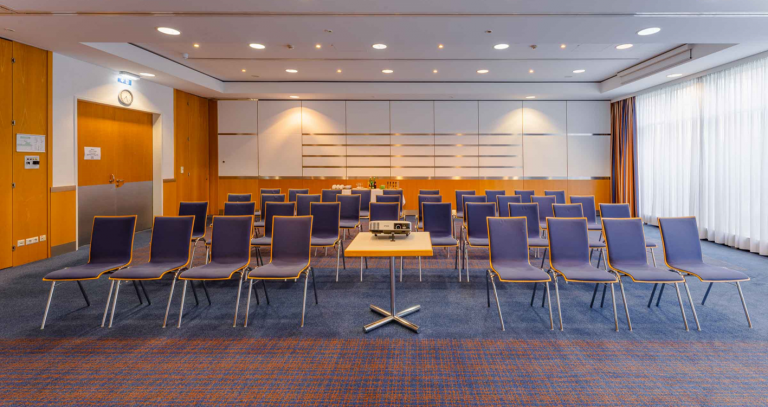
So also describe how people will work. Do you need a plenary room in a U-shape so that discussion remains possible? Do table groups make sense because teams will work on tasks? Or should a circle of chairs support an open retrospective? The seating you want determines whether a room's stated maximum capacity is realistic for your format at all.
For interactive seminars, don't plan right up to the last possible person. A room for 30 people in theatre seating can already be too tight for 18 to 22 people at table groups. Also allow space for facilitation materials, a trainer area, technology and phases of movement. For workshops, usable floor space is usually worth more than a high capacity figure.
Clarify accommodation and side rooms early
For events where people travel in from several cities, the number of single rooms needed should go straight into the brief. Also check whether all participants can stay in the same hotel or whether some would have to sleep at a partner hotel. That may be fine for a team-building event, but it can disrupt the flow of a confidential management seminar.
Side rooms are not a detail. Group work, one-to-one conversations, coaching slots or a parallel project group all need places to retreat to. Ask specifically about the number, size and exclusive use of these rooms. A "breakout area" can be a fully fledged room – or just a corner of the lobby.
| Requirement | Suitable solution | What to look out for |
|---|---|---|
| Seminar with discussions | U-shape or boardroom | Clear view, enough table space and daylight |
| Workshop with group work | Plenary room plus breakout rooms | Short distances and rooms that can be used in parallel |
| Talk or kick-off | Theatre seating | Stage, PA system and a good view from the back row |
| Multi-day training | Seminar hotel with rooms | Room allocation, dinner and lounge areas |
Location, travel and atmosphere must suit the occasion
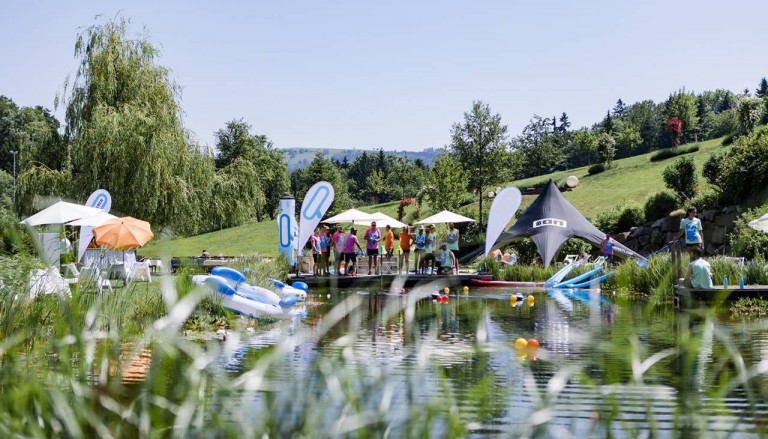
A seminar hotel outside the city can provide peace, nature and focus. On the other hand, travel time and organisational effort often increase. For a team from Vienna, Salzburg, Graz and Linz, a centrally located venue with good rail and motorway links may make more sense than a remote hotel with a beautiful view. For a two-day leadership format, however, that very seclusion can be an advantage.
Check the journey not just for yourself, but from the perspective of the whole group. How far is the railway station? Is there enough parking? Is a transfer needed? Will guests easily be able to reach a restaurant or a walking path after a long day of seminars? These questions affect acceptance more than many planners expect.
The atmosphere should also suit the goal. A classic business hotel feels professional and focused. A country hotel can encourage creativity and exchange. A design-led hotel works well for innovation workshops, provided the rooms are not just photogenic but also functional. Don't rely on pictures alone. If in doubt, ask for a current floor plan, details of the window front and information about possible sources of disturbance such as traffic noise or events running in parallel.
Ask about technology and catering in a comparable way
Wi-Fi, a projector and a flipchart are often taken for granted. Yet this is exactly where the most common friction arises. Weak Wi-Fi slows down hybrid group work. A single mobile screen is not enough for a presentation with a video conference. And a flipchart without enough paper is of limited use to a trainer.
So describe your technical needs specifically. For a hybrid session you need stable bandwidth, a screen or projection, camera, microphone, speakers and ideally on-site technical support. Also ask whether the equipment is included in the package or charged separately. With sensitive company content, a secure Wi-Fi network or a separate connection may be relevant.
Catering is not just about the price per person. Check the timings, the location and the flexibility. A coffee break in the room saves time when the programme is tight. A shared lunch in the restaurant creates distance and something to talk about. For full-day workshops, water, coffee and small snacks in the room often make more sense than a package with long breaks.
Vegetarian, vegan or allergen-friendly options should be easy to plan as a matter of course. Clarify the deadline for confirming final numbers and special requests. The closer the date gets, the more important cancellation deadlines and rules for reduced numbers become.
Read quotes properly instead of just comparing prices
The cheapest day rate is not automatically the most economical choice. Always compare quotes on the same basis: room, technology, catering, accommodation, parking, local tourist tax and possible extra hours. A quote that initially looks higher can work out cheaper if several services are already included.
Look out for wording such as "from", "based on consumption" or "on request". It is not wrong, but it makes direct comparison difficult. Ask the venue provider for a clearly structured cost overview and ask about all items that are likely to apply for your group size. For a seminar of 20 people, parking fees, dinner or additional facilitation kits can noticeably change the budget.
The contract terms are just as important. How long will the date be held without obligation? What cancellation fees apply for a complete cancellation, and what for a lower number of rooms? Is there a minimum number of participants for a package? And what happens if the room cannot be used because of a technical problem? Reputable quotes answer these points clearly.
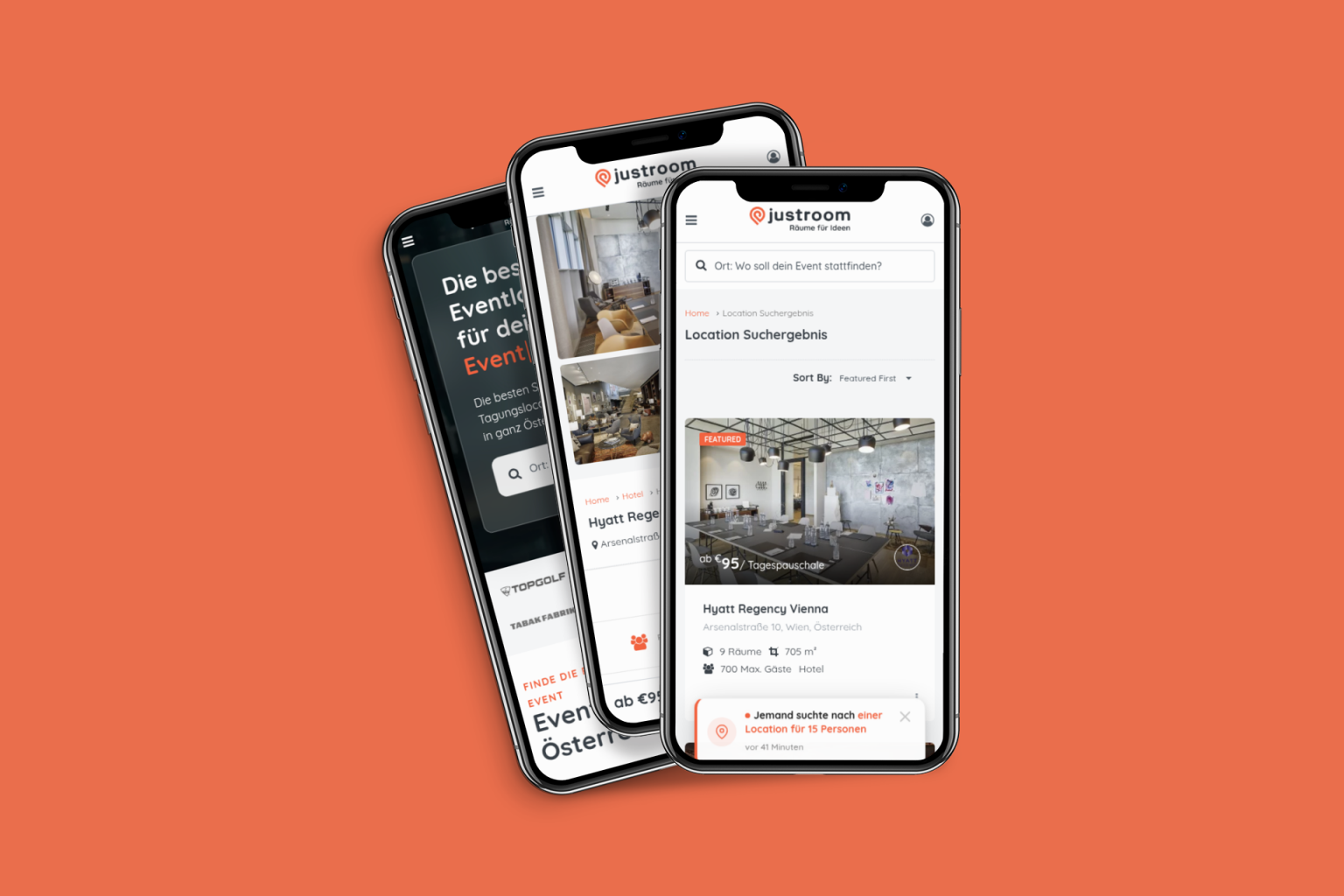
If you are contacting several hotels, don't just send a one-liner with the date and number of participants. State the format, seating, room requirements, time window, catering and any special technical requirements. That way you will receive quotes that can genuinely be compared. Via JustRoom you can filter suitable venues and send your enquiry directly to the venue providers - 100% commission-free and without an additional intermediary.
Before you confirm: run through the day in your head
Picture the event day step by step: where do participants arrive? Who shows them to the room? When is coffee ready? Where do small groups work? How quickly can you get help if the screen won't connect? This short reality check reveals gaps that are often not visible in a quote.
With large budgets, unfamiliar hotels or demanding formats, a site visit is worthwhile. It doesn't have to be long. Check room size, acoustics, light, walking routes, toilets and the actual quality of the side rooms. Talk to the contact person who will also be responsible on the day of the event. A reliable contact on site is often worth more than a small price advantage when last-minute changes come up.
The right venue doesn't come from as many search results as possible, but from precise requirements and transparent answers. Once that foundation is in place, you will find a place among the top venues for seminars, meetings, events and team-building much more quickly – one where your programme also works in practice.