The most expensive mistake with a seminar is rarely the day rate. It's a room where 18 people with laptops don't have enough space, a projector without the right connection, or a journey that eats up half the morning. A seminar hotel in Austria therefore has to do more than offer bedrooms and a conference room. It has to support your format – from a focused strategy workshop to a multi-day leadership retreat.
The right venue isn't defined by how good it looks in photos. What matters are your group's requirements, the schedule and the questions you clarify before sending an enquiry. If you bring these three points together properly, you save on follow-up questions, avoid additional costs and create better conditions for productive days.
How to choose the right seminar hotel in Austria
Don't start with the city – start with the aim of the seminar. If a new team is to grow together, you need informal spaces alongside the main room and ideally an activity nearby. If the focus is expert input or annual planning, peace and quiet, good visibility and reliable AV equipment matter more. For a confidential retreat, a secluded location can make sense. For a seminar with external guests, a central location is usually the better choice.
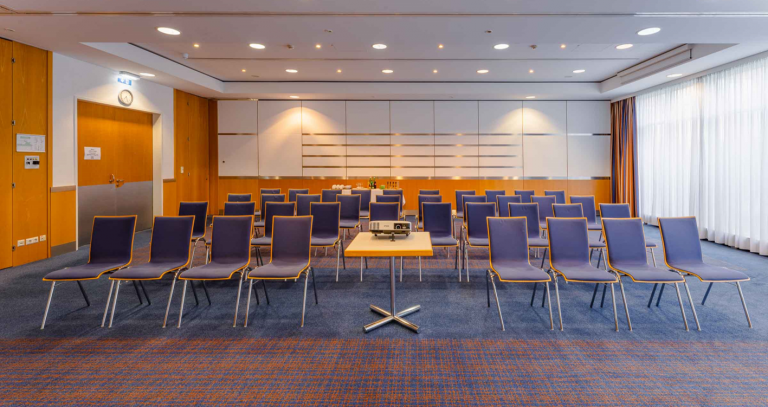
Group size alone isn't enough as a filter. 20 people need considerably less space for a talk in theatre seating than for a workshop with four working islands. Also plan in space to move, tables for materials, a cloakroom and room for facilitation boards. A room that fits on paper can be too cramped in practice.
| Seminar format | Suitable seating | What else to look out for |
|---|---|---|
| Talk or training | Theatre or classroom | Clear view of the presentation area, blackout, enough power sockets |
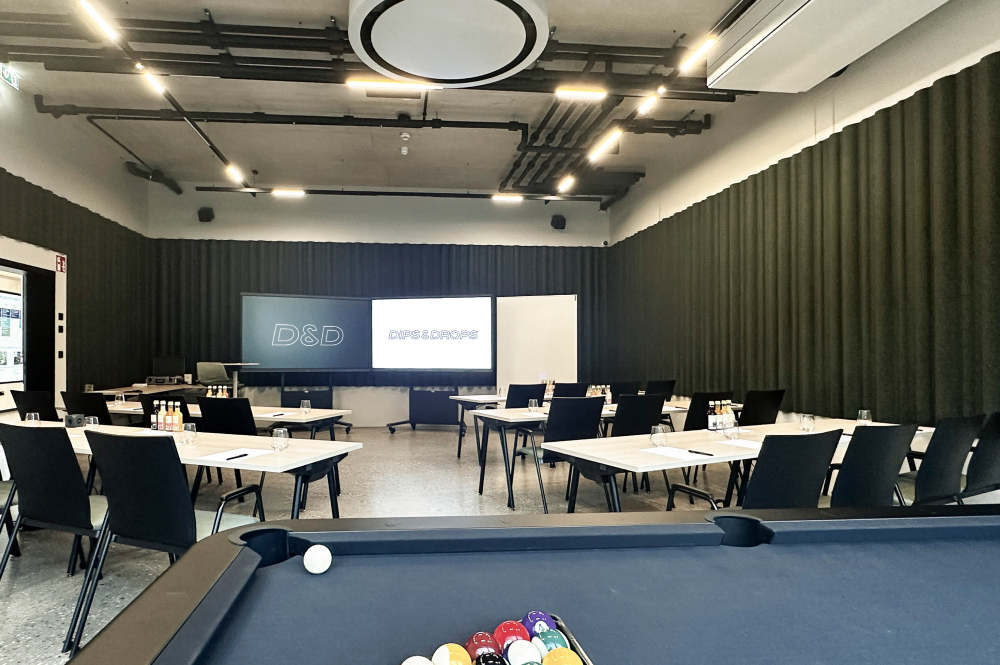
| Interactive workshop | Islands or U-shape | Free wall space, room for group work, flexible furniture |
| Strategy or leadership retreat | U-shape or boardroom | Daylight, discretion, quiet break areas |
| Creative format | Flexible islands | Workshop materials, whiteboards, quiet rooms and a space for results |
Don't just ask the venue provider about maximum capacity – ask for the recommended number of people for your specific seating. That's an important difference. Hotels often quote the highest permitted occupancy. For focused work, that figure is rarely the right basis for planning.
Room concept and schedule must fit together
A single large room is often sufficient for a compact half-day seminar. As soon as working groups, coaching conversations or parallel sessions are planned, you need at least one or two additional breakout rooms. They shouldn't be at the end of a long walk through the hotel. Short distances keep the schedule on track and make spontaneous work phases easier.
Also check whether the seminar room is already set up in the morning and until what time you can use it in the evening. Some formats benefit from a joint review after dinner. If the room is only available until 6 pm, that has to fit your agenda. Also ask whether materials can stay in the room overnight and whether a different seating layout is possible for the following day.
Calculate AV, catering and bedrooms realistically
Wi-Fi is often taken for granted, but it isn't equally powerful everywhere. With 25 participants working in the cloud at the same time or joining a hybrid meeting, an ordinary guest network isn't always enough. Check in advance whether the Wi-Fi in the seminar room is stable, whether a separate network is offered and whether video-conferencing equipment is available on site.
Basic equipment usually includes a screen or projector, a flipchart and a pinboard. For a professional seminar, however, further details can be decisive: HDMI and USB-C connections, adapters, microphones, speakers, clickers, a camera or technical support. If you are facilitating yourself, ask about the size of the presentation area and, for critical formats, test the equipment in good time before the start.
Catering is about more than coffee. Long seminar days lose energy if breaks are too short or lunch sits heavy in the stomach. A good seminar hotel serves breaks close to the room, caters for allergies and vegetarian or vegan preferences, and can adjust lunch timing flexibly to your schedule. For groups working at high intensity, it's worth looking at drinks available throughout the day and small snacks in the afternoon.
You should assess overnight stays separately from room capacity. For a two-day seminar with 16 people, 16 single rooms are ideal, but not every hotel has them available on the date you want. Check whether room allocations can be reduced free of charge up to a certain date and which cancellation deadlines apply. Parking, EV charging and arrival by train or plane also affect how many participants actually attend.
Location: central, close to nature or deliberately remote?
In Vienna, Salzburg, Graz or Linz you will find many seminar hotels with good public transport links. This is particularly practical when participants are travelling from different federal states or only coming for one day. A hotel near a railway station reduces the risk of late starts and saves on transfers. Central locations, however, often have smaller outdoor areas, fewer free parking spaces and a higher price per person.
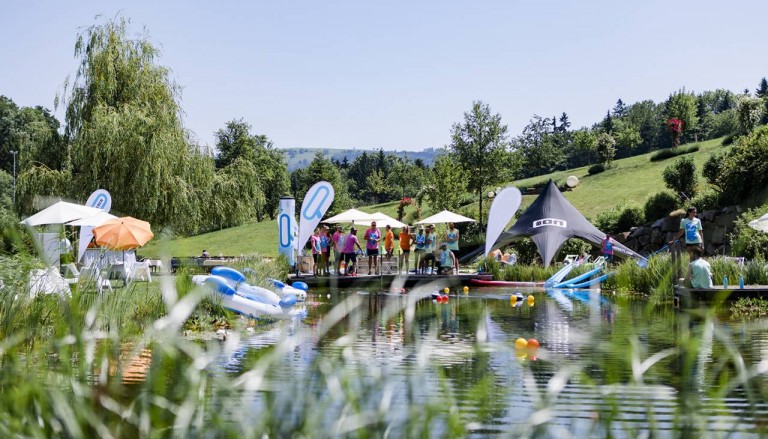
A seminar hotel in a rural region can have a greater impact for multi-day formats. Fewer distractions, shared dinners and surroundings for walks encourage conversations that often don't happen in a city centre. In return, you need to plan transfers, individual arrival times and possible extra nights more carefully. This applies especially if some people are travelling by public transport.
So always weigh the location against the purpose. For a one-day product training block, quick accessibility is what counts. For a team retreat with 25 people, the venue can create more distance, provided accommodation, food and group spaces work well together. A beautiful view is a bonus, but it's no substitute for the right infrastructure.
Request comparable quotes
Many quotes are hard to compare because they include different services. One states a day delegate rate including lunch and two coffee breaks. Another lists the room, AV and catering separately. Both can make sense. What matters is that you send every hotel you enquire with the same key details.
In your enquiry, state the date with an alternative date, the number of people, the seminar format, the preferred seating, the number of overnight stays and the technical requirements. Add whether breakout rooms are needed, when the room should be available and whether there are any special dietary requirements. The more specific your brief, the more reliable the quote.
Then don't just compare the total amount. Work out the price per person and check what is actually included. Look out for possible charges such as room hire if a minimum spend isn't reached, AV flat fees, parking charges, late use of the room or cancellations. With small groups in particular, a low-cost package can quickly lose its advantage through extras.
| Question to ask | Why it matters |
|---|---|
| Is the room reserved exclusively for your group? | Parallel events can cause noise and bottlenecks. |
| Are breakout rooms included in the price? | Additional rooms noticeably change the budget. |
| Which AV equipment is included and which costs extra? | Adapters, microphones or hybrid equipment are often charged separately. |
| Until when can you adjust participant numbers? | This deadline protects you in the event of last-minute cancellations. |
| Is there a contact person during the seminar? | It saves valuable time if technical or scheduling problems arise. |
When making your decision, also rely on direct communication. A quick, precise reply to your enquiry is a good sign of how the collaboration will go on the day of the event. If important questions remain unanswered or services are only vaguely described, follow up – or consider an alternative.
If you want to compare several hotels, a structured search with clear information on capacity, rooms and facilities helps. On JustRoom you can send commission-free enquiries directly to suitable seminar hotels and obtain quotes on the same basis. That leaves more time for what really counts at a seminar: a schedule in which your group works with focus and goes home with results it can actually use.