At 4:30 pm the workshop tips over. Not because the managers have run out of things to discuss, but because the room is stuffy, the chairs are uncomfortable and the group has to retreat to the corridor every time it splits into smaller teams. Anyone looking to find a seminar hotel for a leadership workshop is therefore not simply searching for an attractive meeting room. What you need is a place to work that makes focused conversations, confidential decisions and real distance from day-to-day business possible.
With leadership formats, the venue shapes the outcome far more than it does at a conventional information event. Strategy meetings, conflict resolution sessions, retreats and development programmes need different conditions from a talk with theatre seating. The best choice comes from defining the working format first and only then comparing hotels.
Define the workshop goal first, then choose the seminar hotel
The number of participants matters, but it is not enough on its own. Depending on the goal, twelve heads of department may need completely different spaces. If the team is developing a new strategy, plenary sessions, work in pairs and small-group work will alternate constantly. For a confidential leadership retreat, on the other hand, discretion, a protected setting and the chance to keep talking informally after the official programme are what count.
Before you start searching, write down briefly what should exist at the end of the workshop: a decision, a list of priorities, an agreed action plan or a better mutual understanding. This lets you pin down room size, seating and the number of breakout rooms far more precisely.
| Workshop format | What the venue needs to deliver | Suitable room set-up |
|---|---|---|
| Strategy retreat | Quiet, daylight, large work surfaces | One plenary room with two breakout rooms |
| Leadership development | Freedom of movement, flexible furniture | Workshop room without fixed table blocks |
| Conflict or change workshop | Discretion, places to withdraw, good acoustics | Separate room away from the hotel's day-to-day operations |
| Multi-day offsite | Overnight stays, an evening space, short distances | Seminar hotel with guest rooms and a dedicated area |
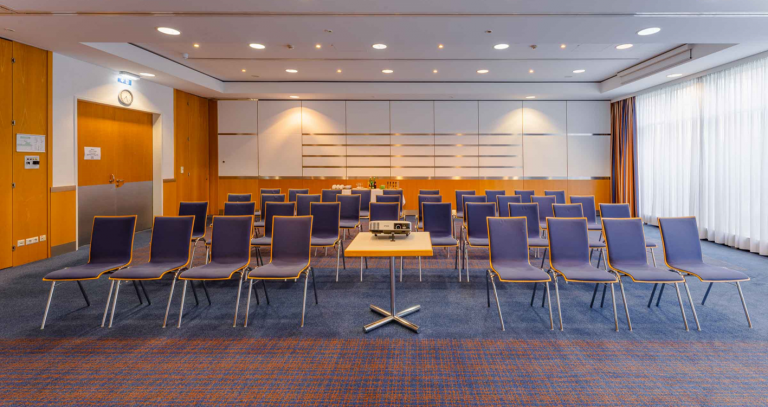
For eight to 14 people, a U-shape often works better than theatre or classroom seating, because everyone can see each other and take part. For methods involving pinboards, floor work or changing groups, however, it quickly becomes too cramped. In that case an empty room with mobile tables is the better starting point. Make sure the stated capacity really matches the seating you want. A room for 20 people in theatre style is not automatically a good workshop room for 16.
Finding a seminar hotel for leadership workshops: the criteria that matter
A professional photo of the conference room tells you little about whether people can work there with focus for eight hours. Ask specifically about square metres, ceiling height, opening windows, blackout options and acoustics. Especially during intense discussions, echo, ventilation noise or a room next to the kitchen make a noticeable difference.
Location is also a decision about format. For a one-day management meeting, a seminar hotel in the city centre saves travel time. For a two-day offsite, a hotel on the edge of town, in the Salzkammergut or in quiet countryside may make more sense, because it creates mental distance. That only holds, however, if getting there remains practical. If participants are travelling from Vienna, Graz and Munich, complicated transfers can quickly cancel out the retreat effect you were hoping for.
When you send your enquiry, check these five points in particular:
- Is there at least one breakout room that can be used exclusively for the entire workshop?
- How far apart are the seminar room, guest rooms, restaurant and any evening venue?
- Is technical equipment included in the price, such as a screen, projector, flipcharts, pinboards and stable Wi-Fi?
- Can breaks be scheduled flexibly without the group having to move into a public breakfast area?
- Who can be reached on the day of the event if the room, equipment or schedule needs adjusting?
With leadership groups, it pays to take seemingly minor details seriously too. A private break area encourages informal conversation. Good coffee machines and water available in the room at all times prevent unnecessary interruptions. And at a multi-day workshop, dinner at a quiet table that is not too large can be more productive than an elaborate social programme.
Compare costs transparently instead of just reading day rates
Many seminar hotels work with a delegate package per person. This makes the first comparison easier, but it often conceals differences in what is included. One package may cover the room, two coffee breaks, lunch, standard equipment and drinks. With another offer, room hire, facilitation materials, parking and dinner are charged separately.
So don't just compare the price per head – compare the total cost for your actual scenario. For 14 people over two days, a package that costs 15 euros more can work out cheaper if breakout rooms, a drinks package and equipment are already included. Conversely, an all-inclusive package is not automatically the right choice if you only work until midday on the second day or don't need an overnight stay at all.
For overnight stays, it is worth looking at cancellation deadlines and room allocations. Leadership teams change at short notice: one person has to attend a client meeting, another has to deal with an urgent escalation. Clarify the date until which rooms or catering can be reduced free of charge. Also ask about any minimum spend. Particularly for exclusive areas or evening events, these affect the real budget.
A good offer clearly states room size, seating, catering, equipment and all additional costs. If this information is missing, ask for a breakdown. Transparency is not pedantic – it prevents discussions after the workshop.
The right atmosphere is not automatically the most spectacular
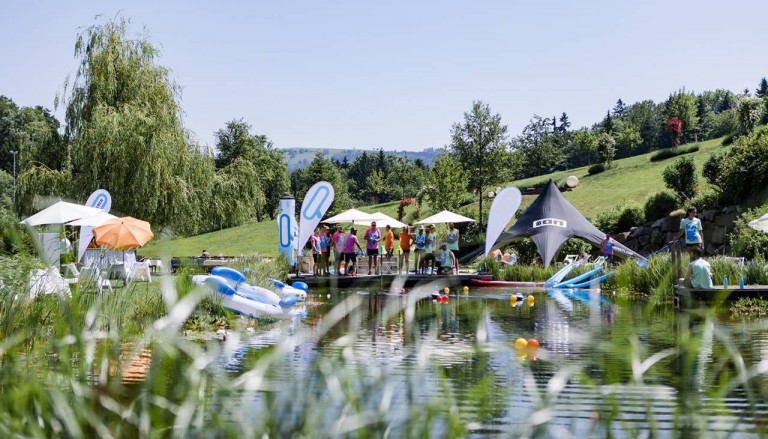
Leadership workshops are often associated with a special venue: a mountain panorama, a design hotel, a winery or a historic villa. That can make people more willing to step out of their routines. But it can also distract from the actual topic or create unnecessarily high expectations.
For a sensitive restructuring meeting, a discreet, professional seminar hotel is usually more suitable than an extraordinary experience venue. For a leadership programme with newly appointed managers, by contrast, an inspiring hotel with outdoor areas and informal spaces can be an excellent fit. What matters is the match between the task at hand and the setting.
Pay attention to authenticity as well. A hotel can be high-end and still not suit your team – for example if the atmosphere is very formal but you want to work in an open, experimental way. Equally, a workshop room doesn't need to have won design awards. Daylight, space, good service and infrastructure that works are often worth more to the outcome than photogenic furnishings.
Word your enquiries so that offers become comparable
The more precise your enquiry, the fewer follow-up questions and surprises there will be. State the date and possible alternative dates, the number of participants, the overnight stays you need, working hours, room concept and the breakout rooms required. Add whether confidential matters will be discussed and whether external trainers, facilitators or technical service providers will be involved.
A good enquiry might, for example, state that 12 managers will be working from Thursday at 9:00 am until Friday at 3:00 pm, need twelve single rooms, and would like a plenary room in a U-shape, two breakout rooms that can be used at the same time, and facilitation materials. That way the hotel can do more than quote a price – it can suggest a suitable set-up.
If you are comparing several hotels, deliberately keep the requirements identical. On JustRoom you can narrow down suitable seminar hotels by location, capacity and occasion and send your enquiry directly to the venue provider, 100 per cent commission-free. This is especially helpful when you need several concrete offers at short notice rather than working through long general availability lists.
Before you confirm, take ten minutes for a short call with the hotel. The answers to practical questions often reveal more than any brochure: whether the team has understood your schedule, whether adjustments can be made easily and whether the staff will think ahead on the day of the workshop. It is exactly this reliability that gives a leadership group the space it needs to make good decisions.