Meetings, incentives, conventions and events – MICE for short – are among the most effective tools in corporate communications. They create experiences, encourage exchange, strengthen team spirit and give brands a stage. But as powerful as a well-planned MICE event can be, the consequences of basic mistakes can be just as serious. Whether you are an events professional or a newcomer: if you know the typical pitfalls, you can deliberately avoid them – and take your event to a new level.
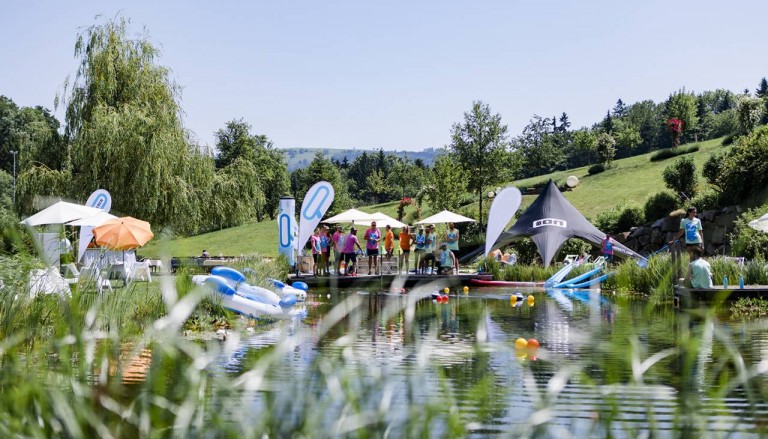
One of the most common mistakes happens right at the start: no clear goal is defined. If nobody knows exactly what the event is actually for, the planning gets lost in vagueness. An example: an IT company planned an incentive weekend for 60 employees at an idyllic mountain lodge. The weekend was well organised, but it lacked a common thread. The feedback was sobering – many employees found the event “nice, but aimless”. The solution lies in clearly defining measurable goals. Is it about motivation, sharing knowledge, exchange or a strategic offsite? Once you are clear about that, you will also make better decisions about the format, the venue and the activities.
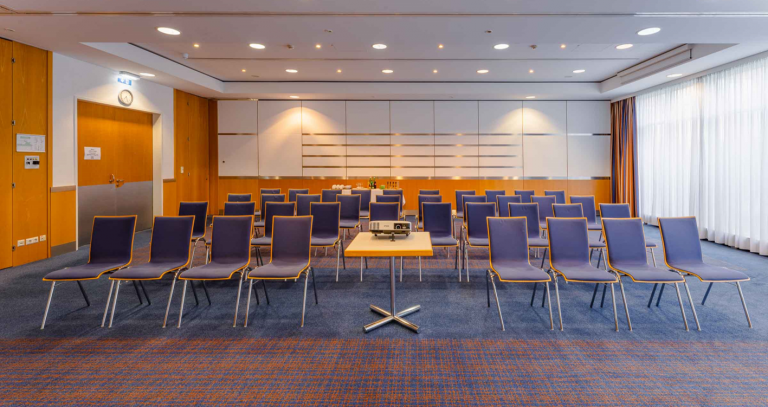
 Another classic mistake is choosing a venue that is impressive but doesn’t suit the target audience or the type of event. Often it is the first impression of a photo that decides, not actual suitability. For instance, a large conference held by an international pharmaceutical company took place in a trendy industrial hall that, on closer inspection, turned out to be acoustically problematic and logistically impractical. There were no breakout rooms, insufficient technical equipment and no functional room concept. A classic conference venue with good lighting, flexible breakout rooms and professional infrastructure would have been far better. Good planning means taking the needs of your audience seriously: do you need daylight, good acoustics, wheelchair accessibility, quiet zones or special technology? The more closely you look, the better your choice will be.
The accessibility of the venue is also often underestimated. A dream location is of little use if people can’t get there – at least not for a business event, where time and efficiency count. An NGO booked a beautifully situated organic hotel in Styria for a European retreat. Unfortunately, participants travelled from various countries by train or plane – and the last few kilometres were almost impossible to manage by public transport. The result: missed transfers, frustration and late arrivals. Professional MICE planning therefore looks not only at beauty but also at connections – whether to the motorway, airport or railway station. And if the venue is a little off the beaten track, transfer options must at least be communicated or provided.
An underestimated but often serious mistake concerns technology. Particularly for hybrid events or international meetings, professional technical equipment is essential. A fashion group planning a hybrid annual kick-off learned this the hard way: microphone problems, unstable Wi-Fi, no backup options – the event had to be called off. This could have been avoided by coordinating the technical side early on. Organisers should find out exactly what technology is available in advance: how fast and stable is the Wi-Fi? Are there enough connections and presentation equipment? Who is the on-site contact if something doesn’t work? The more complex the event, the more important a detailed technical checklist becomes.
The fifth common mistake lies in communication with participants. It is astonishing how many events are superbly planned – yet nobody knows when and where they take place, what to bring or whom to contact. A summer party held by a large Viennese company almost went wrong organisationally because the invitation was incomplete: no address, no exact time, no dress code. Many guests arrived late, dressed inappropriately or missed parts of the programme. Good communication starts early and is clearly structured. Invitations should contain all the relevant information, be sent out in good time and be followed up with reminders. Even a simple WhatsApp broadcast or a small event app can provide clarity.
In summary: A successful MICE event needs more than a beautiful setting. It needs a clear goal, a suitable venue, well-thought-out logistics, reliable technology and open, transparent communication. Keep these five areas in view and you lay the foundation for an event that not only looks professional but inspires people for a long time to come.
Tip: If you are looking for a special venue that perfectly suits your event and your audience, JustRoom.at supports you with a curated selection of event venues throughout Austria. You can enquire directly – commission-free – and get support with every question about your event. For you, that means: less risk, more impact – and events that are remembered.