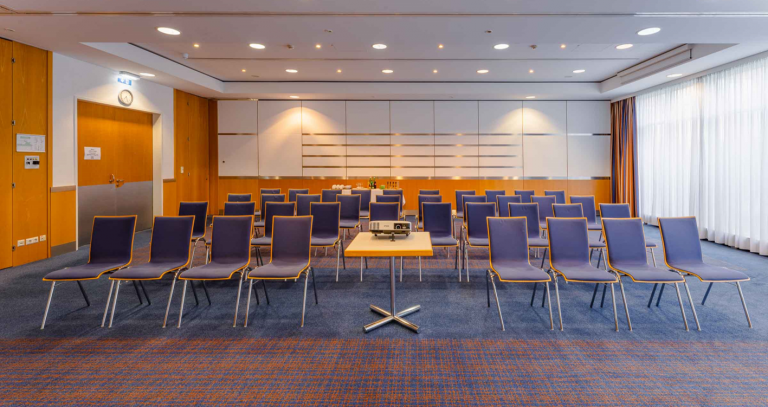
No-shows – attendees who register for a seminar, conference or event but then fail to turn up on the day – are a source of frustration for organisers and venues alike. Empty seats not only look unprofessional, they also create unnecessary costs: catering has been planned, technology prepared, speakers are ready – and still chairs remain empty. While a certain rate can never be avoided entirely, there are numerous strategies that can significantly reduce drop-outs.
One decisive factor is communication in advance. Many cancellations have less to do with scheduling conflicts than with whether the value of attending is clear. Anyone who reads only a vague description of the topic in the invitation can quickly decide against investing a whole day in a seminar. Successful organisers manage to convey the concrete benefit right from the announcement. Instead of simply talking about “time management”, a phrase like “How to save an hour of working time every day” is far more convincing. Exclusive content, renowned speakers or limited places should also be clearly highlighted. The more clearly the value is visible, the more likely it is that registered participants will actually attend.
It is just as important to remind attendees about the event regularly. A single registration confirmation is hardly enough to keep the event front of mind. Setting up a well-thought-out reminder system instead significantly increases engagement. A thank-you immediately after registration, an e-mail with the agenda and practical information one week before, a short message with the key details the day before – all of this ensures the seminar is not forgotten. Some organisers even send a text message or push notification on the morning of the event, which adds a personal touch and further boosts attendance.
But reminders alone are not enough. People turn up more reliably when they already feel part of the event beforehand. Organisers can encourage this by involving attendees, for example through short surveys in advance asking about their expectations. Interactive elements such as submitting questions for a planned panel discussion, or the promise to address certain topics in the workshop, are also very effective. Anyone who has already had a say in the programme has less reason to stay away in the end.
 Another aspect is flexibility. In business especially, appointments can crop up at short notice. Anyone forced either to cancel completely or simply not to attend will often choose the latter. Providers who offer hybrid options such as live streams or recordings provide an attractive alternative. Simple options to rebook onto a later date also reduce the final cancellation rate. The key is to make these processes as straightforward as possible – a single click to rebook works far better than a complex form.
Alongside flexibility, however, commitment is also needed. Experience shows that the no-show rate is particularly high for free events. Even a small attendance fee makes people take the date more seriously. Incentives such as early-bird benefits, exclusive materials or certificates of attendance also increase engagement. It is also important to communicate clear cancellation policies. Anyone who knows that last-minute cancellations have organisational consequences will think twice.
The value of a personal approach should not be underestimated. While automated e-mails are practical, a short, individual message often leaves a more lasting impression. A phone call, a personal invitation or even a handwritten note has more impact than any mass mailing. They send a clear signal: “Your attendance matters to us.” Especially in a B2B context, where networking and personal contacts are crucial, this factor should not be underestimated.
Finally, attendee engagement does not end with the event. Anyone who receives a personal thank-you message afterwards, gets access to the materials or is asked for feedback feels taken seriously. This increases the likelihood of coming back next time – and reduces future cancellations.
It is impossible to prevent no-shows entirely. But if you communicate the value clearly, use reminders wisely, involve attendees, offer flexibility and create commitment, you will reduce drop-outs significantly. Ultimately, people turn up where they feel their time is well invested – and where they sense that their presence really counts.