An incentive rarely fails because of the programme. More often, the right setting is missing: the workshop room is in the basement, the journey takes too long or the activity is just a nice extra with no connection to the team. So if you want to find venues for incentives, you aren't simply looking for beautiful rooms. You are looking for a place where recognition can be felt, collaboration comes more easily and the organisation stays reliable.
The right choice depends less on spectacular images than on a clear decision: should the incentive reward, accompany change or bring a team back together after an intense phase? Only once this goal is set can region, budget and programme be sensibly narrowed down.
The right venue starts with the occasion
An incentive for 15 sales staff needs something different from a strategy format for 80 managers. For small groups, an exclusively used country house, a boutique hotel or a mountain hut often makes a stronger impression than a large property hosting many groups in parallel. For larger teams, on the other hand, what counts is enough bedrooms, several breakout rooms and a schedule that works even if the weather changes.
Before you start your research, write one sentence that describes the purpose. For example: "We want to show our appreciation to the project team after the product launch and build new energy for the next quarter." This sentence protects you from a typical mistake: choosing a venue for its leisure value when what is really needed is time for exchange and reflection.
The duration also changes the selection. A half-day incentive in Vienna or Munich can work with an urban activity, a good dinner and a special meeting room. For two days, a destination with overnight accommodation, access to nature and several communal areas is worthwhile. The longer the group stays on site, the more important places to retreat to, quality of food and a varied environment become.
Finding venues for incentives: the criteria that count
Your first shortlist shouldn't consist of 30 open browser tabs. Instead, set criteria you can compare directly later. For most corporate events, group size, accessibility, overnight capacity, available rooms, catering and a plan B for activities are the deciding factors.
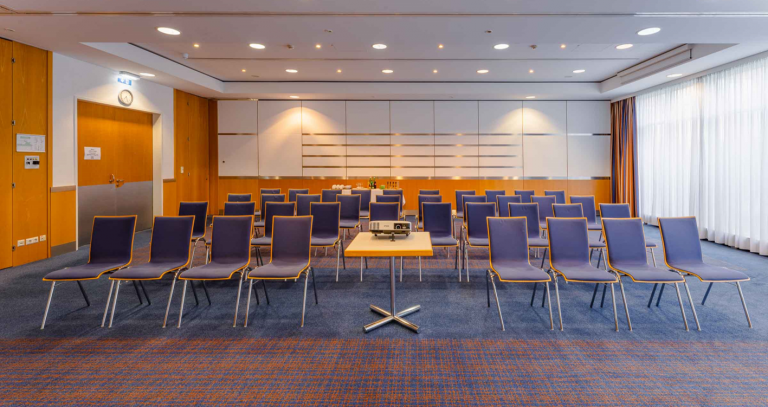
When it comes to capacity: don't just calculate with the maximum number of people. A room for 40 people in theatre seating is often too small for an interactive workshop with 32 people. For formats with facilitation, stations or materials, plan at least 20 to 30 per cent extra space. Also ask whether the room is available exclusively all day. Changing rooms during the lunch break costs more attention than many schedules allow for.
Accessibility is a cost factor, even if it doesn't appear on the hotel bill. If the venue is more than 90 minutes from the shared starting point, an additional transfer may be needed. For teams from several cities, a good rail connection often makes more sense than a remote dream venue. A remote location can still be the right fit if that is exactly the aim: creating distance from everyday life and reducing digital distractions.
| Criterion | Especially important if | Question to ask the venue |
|---|---|---|
| Travel | The team comes from several cities | How far away are the railway station, airport and car park? |
| Exclusivity | Exchange and confidentiality are the focus | Which areas are used only by our group? |
| Room concept | Workshop and activity are combined | Are there breakout rooms, outdoor areas and a bad-weather room? |
| Accommodation | The programme runs over two days | Are enough single rooms available? |
| Catering | Long work and activity phases are planned | Can timings, allergies and a late dinner be organised flexibly? |
| Technology | Presentations or hybrid contributions are planned | What equipment is available and what does it cost extra? |
Watch out for additional costs. Room hire, technology flat rates, local tourist tax, parking, transfers, late bar opening or staffing for an activity can shift the budget considerably. So ask early for a quote that lists all fixed costs and possible extras separately. That way you aren't just comparing day rates, but the actual total cost per person.
Experience and the ability to work must go together
A good incentive shouldn't feel like an extended meeting. Even so, it needs places where conversations can happen. A hotel with panoramic views loses its impact if there is no quiet room for the joint debrief. Conversely, a perfect seminar room without any special atmosphere is hardly remembered as a gesture of appreciation.
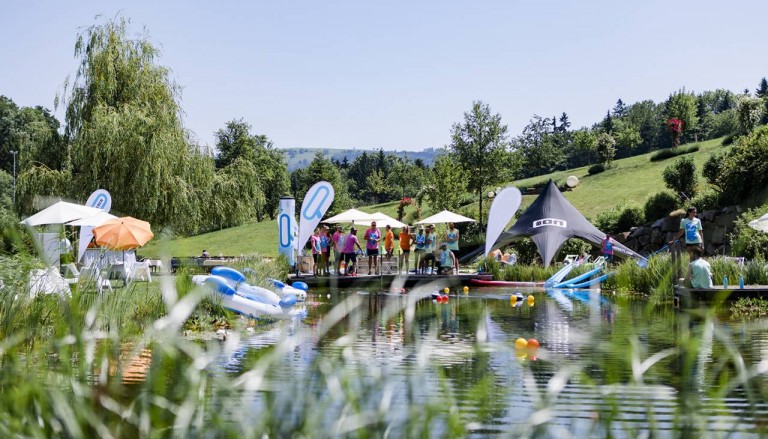
The strongest concepts combine a clear working block with a shared experience. That might be a culinary challenge, a guided tour, an outdoor format or a creative workshop. What matters is not the most spectacular activity, but how well it suits the group. A sporty team event can bring people together, but it puts pressure on those with physical limitations or who feel uncomfortable in that role. In that case, a cooperative format with a variety of tasks is the better choice.
Ask venue providers specifically which activities they organise themselves and which are handled by external partners. With external partners you need clear responsibilities: who coordinates timings? Who reacts if it rains? Where does the group meet? A venue that coordinates activity, rooms and dinner from a single source reduces handovers. This may cost more, but it often saves planning time and prevents friction on the day of the event.
Sustainability can also be checked in practical terms. Rather than just asking about a label, clarify short supply chains for catering, reusable options, travel by public transport and avoiding unnecessary transfers. For a team, it is more credible when the sustainable choice is visible in the schedule than when it only appears in the concept paper.
Your enquiry determines speed and quality
Many enquiries remain vague: "We're looking for something special for our team." Organisers then often receive quotes that are hard to compare. A good enquiry sets out the framework without pinning down the programme too tightly. State the date and flexible alternative dates, number of people, accommodation needs, planned times, the types of room you want, the budget range and the character of the incentive.
An example: "For 24 people, we are looking for a venue in May for two days with 24 single rooms, a workshop room with daylight and a weather-independent team activity. Most participants will travel by train. Our target budget is 420 euros per person including accommodation, catering and activity." With details like these, a venue provider can quickly say whether the enquiry is a fit and where alternatives are possible.
When comparing afterwards, don't just look at the final price. Also assess response time, completeness and follow-up questions. Does a venue ask about the group's goal, dietary requirements or the desired energy level? That usually shows the provider isn't just trying to sell rooms but is thinking the schedule through with you. For an incentive in particular, this experience is valuable.
Once you have found several suitable properties, arrange a site visit or a short video call if the budget is higher. Check the distances between bedrooms, meeting rooms and the evening venue. Photos rarely show whether a group will naturally stay together after dinner or immediately scatter across different parts of the building.
Choose a region that suits the team
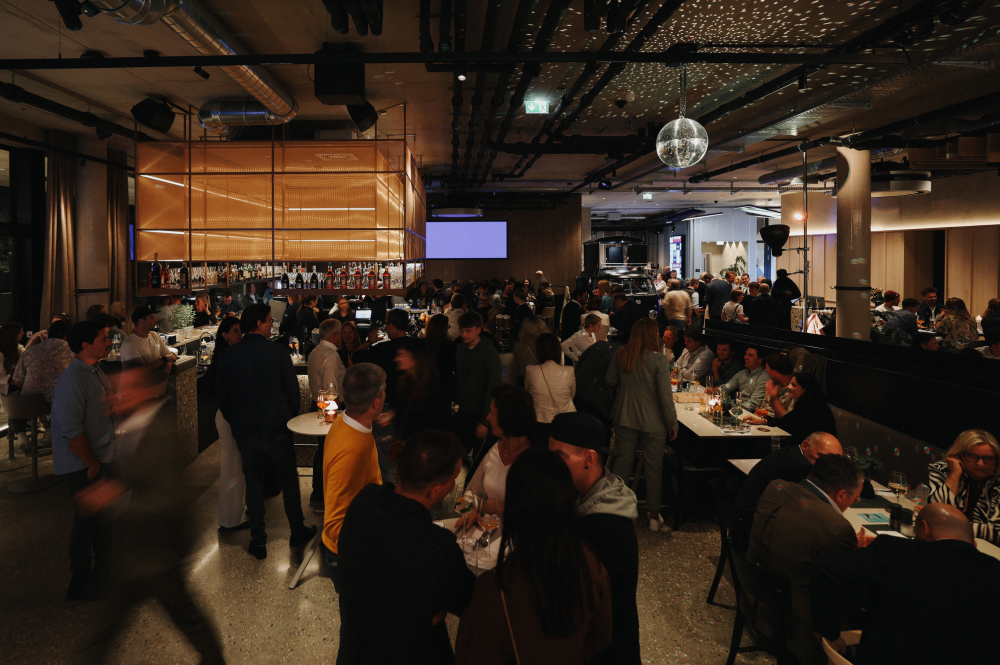
City venues are suitable when travel should be easy and an evening programme is part of the appeal. Vienna, for instance, offers short distances, cultural formats and a large choice of hotels and event spaces. Salzburg combines city and nature in a compact area. For teams who deliberately want to get away from the office routine, lake regions, the Weinviertel, the Alpine foothills or rural seminar hotels are often the better choice.
In Austria, when looking for a property with accommodation and workspaces, the term seminar hotel is the usual one. If you are planning in Germany, you will more often come across conference hotels. Very different concepts can lie behind both terms. So always check room sizes, number of bedrooms and actual suitability for your incentive rather than relying on the category.
For recurring events, it is worth keeping a short list of proven properties and new options. After each event, document what worked: real transfer times, quality of break catering, response time of the on-site team and feedback from participants. These notes make the next search much faster than any general review platform.
A commission-free direct enquiry via JustRoom helps you compare available venues by capacity, facilities and occasion filters in a structured way and send your enquiry directly to the venue provider. What remains decisive, however, is the quality of your briefing: the more clearly you describe what the team should take away from the incentive, the more likely you are to find a place that delivers more than a beautiful backdrop.